KEY HIGHLIGHTS
- Singapore student benefits in 2026 include tuition grants, bursaries up to S$6,200, and transport subsidies.
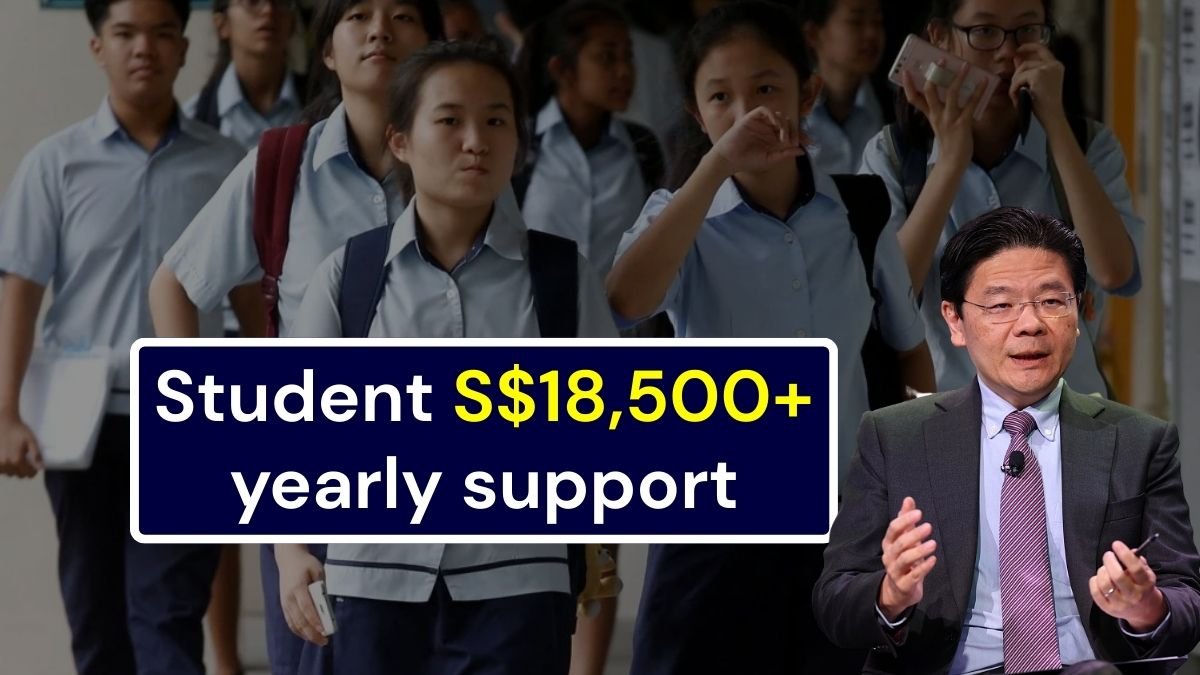
- Total financial support can exceed S$18,500 per year depending on eligibility and institution.
- Students must apply early via school portals and track deadlines to avoid missing payouts.
Singapore offers extensive financial support for students, but many still miss out due to missed deadlines or lack of awareness.
This guide outlines the key Singapore student benefits 2026, including grants, bursaries, and subsidies.
Key Student Benefits Overview (2026)
| Benefit Type | Estimated Value (SGD) | Key Requirement |
|---|---|---|
| Tuition Grant | Up to 70–80% fee subsidy | MOE-funded institution |
| MOE Bursary | Up to S$6,200/year | Income-based eligibility |
| Transport Subsidy | Save S$300–S$800/year | Student concession pass |
| Study Loans | Varies | Bank + institution approval |
| CPF Education Scheme | Tuition coverage | Parent CPF usage |
Tuition Grants Singapore 2026 – Major Fee Reduction
The Tuition Grant Scheme (TGS) remains the largest education subsidy in Singapore. It significantly reduces tuition fees for students in public institutions.
Eligible institutions include universities, polytechnics, and ITE.
For Singapore Citizens, fees can drop by up to 70–80%. A course costing S$30,000/year may be reduced to S$8,000–S$12,000/year.
Important:
Permanent Residents and international students must sign a 3-year service obligation to work in Singapore after graduation.
Government Bursaries – Direct Cash Support
MOE bursaries provide non-repayable cash support for daily expenses.
Estimated Payouts (2026)
- Up to S$6,200/year for university students
- S$1,000–S$2,950/year for polytechnic students
- Additional support for ITE students
Eligibility depends on Gross Household Income (GHI) or Per Capita Income (PCI).
Many middle-income households now qualify due to raised income ceilings.
Transport Subsidies – Everyday Cost Savings
Student concession schemes reduce daily commuting costs.
- Around S$128/month for unlimited MRT and bus travel
- Compared to S$150–S$200/month for adults
Additional support includes:
- Public Transport Voucher (PTV) Scheme
- Extra subsidies for lower-income households
Annual savings can reach S$300–S$800+.
Additional Grants & Financial Aid Options
Many students overlook these supplementary schemes:

Study Loans
- Low-interest or interest-free options
- Covers tuition and living costs
- Repayment starts after graduation
CPF Education Scheme
- Use parents’ CPF savings
- Reduces upfront cash burden
Scholarships
- Merit-based and need-based
- Can cover full tuition and allowances
SkillsFuture Credit
- Supports approved courses and certifications
- Useful for career-focused upskilling
How to Apply for Student Benefits in Singapore
Step-by-Step
- Check eligibility early using income tiers
- Apply via school portals (integrated systems)
- Prepare documents (income, CPF, household data)
- Track deadlines strictly
- Renew annually where required
Common Mistakes to Avoid
- Assuming income is too high
- Missing yearly bursary applications
- Ignoring transport subsidies
- Not declaring tuition grant eligibility
- Failing to combine multiple schemes
These errors can cost S$5,000–S$15,000+ over time.
How Much Support Can You Get?
Typical annual estimate:
- Tuition Grant: S$15,000 savings
- Bursary: S$3,000
- Transport: S$500
Total: S$18,500+ per year
Over a full degree, this can exceed S$50,000–S$70,000.
Why This Matters
Singapore continues to expand student financial aid schemes, especially for middle-income households.
With rising education costs, these grants function as high-value financial support tools, reducing reliance on loans and long-term debt.

Students who plan early and combine schemes can significantly lower their total education cost.
Conclusion
Singapore’s student support system is comprehensive, but not automatic.
To maximise benefits in 2026:
- Apply early
- Review all schemes
- Combine multiple support options
Missing out is not due to lack of support—but lack of action.
FAQs – Student Benefits Singapore 2026
1. Who qualifies for tuition grants?
Singapore Citizens, PRs, and international students in MOE-funded institutions, subject to conditions.
2. Are bursaries repayable?
No. MOE bursaries are non-repayable.

3. How is eligibility calculated?
Based on GHI or PCI income tiers.
4. Can I receive multiple benefits?
Yes. Most students combine tuition grants, bursaries, and subsidies.
5. What if I miss the deadline?
You may lose the benefit for the entire academic year.
